The Hard Water and Skin Connection
If you’ve tried every moisturiser, switched shampoos three times, and still feel dry and uncomfortable after a shower — your water might be the problem, not your products.

The Hard Water and Skin Connection
Hard water contains dissolved calcium and magnesium — minerals that react with the ingredients in your soap, shower gel, and shampoo. Instead of dissolving cleanly and rinsing away, they combine to form a sticky, invisible residue that clings to your skin. This residue does three things. It blocks pores, trapping oils and bacteria underneath. It strips away the natural oils that keep your skin hydrated. And it prevents soap from rinsing off completely, leaving a film that continues to irritate long after you’ve stepped out of the shower. That tight, dry feeling after washing? The skin that feels like it needs moisturiser within minutes? The itchiness that seems to come and go without explanation? These are classic signs of hard water on skin. It’s not your skin that’s the problem. It’s what’s in your water.
Hard Water and Eczema
There is a well-documented correlation between hard water areas and higher rates of eczema, particularly in young children. Research published in the Journal of Allergy and Clinical Immunology found that children living in hard water areas were significantly more likely to develop eczema than those in soft water areas. Hard water doesn’t directly cause eczema. But it can significantly aggravate existing conditions. The mineral deposits and soap residue left behind disrupt the skin’s natural barrier, increase sensitivity to irritants, and trigger flare-ups. For people already managing eczema, every shower in hard water is a potential trigger. Many families who install a water softener report measurable improvements — less redness, less itching, fewer flare-ups, and a noticeable reduction in the amount of emollient and medicated cream they need to use. Results vary from person to person, but the pattern is consistent: softer water is gentler on sensitive skin.
What Hard Water Does to Your Hair
Calcium and magnesium don’t just affect your skin. They build up on your hair over time, creating a mineral film that coats each strand. This film makes hair feel heavy, flat, and dull. It prevents moisture from penetrating the hair shaft. And it stops styling products from working the way they should. Hard water also prevents shampoo from lathering properly, so you use more product for less result. Conditioner can’t compensate for the mineral buildup underneath. Colour-treated hair fades faster because the minerals interfere with the dye. Blondes notice a brassy or yellowish tint. And no matter what you try, your hair never quite feels clean. Switching to soft water removes the cause entirely. There’s no mineral residue left behind. Shampoo lathers easily and rinses completely. Hair holds colour longer, feels lighter, and is noticeably smoother and more manageable — often from the very first wash.
What Is a Water Softener?
The Soft Water Difference
People who switch from hard to soft water describe the experience in remarkably similar terms. Showers feel different immediately — the water feels silkier, soap lathers richly, and everything rinses away cleanly. Skin feels smoother and stays hydrated longer. Hair feels softer, shinier, and easier to manage. It’s not a subtle change. It’s the kind of difference you notice on day one and never want to go back from. With soft water, you’ll use less soap, less shampoo, and less conditioner — because products work more effectively without mineral interference. Moisturisers and serums absorb better into skin that isn’t coated in residue. Towels washed in soft water come out genuinely soft, not stiff. And for anyone with sensitive or irritation-prone skin, the relief can be significant.
How Notric Protects Your Skin and Hair
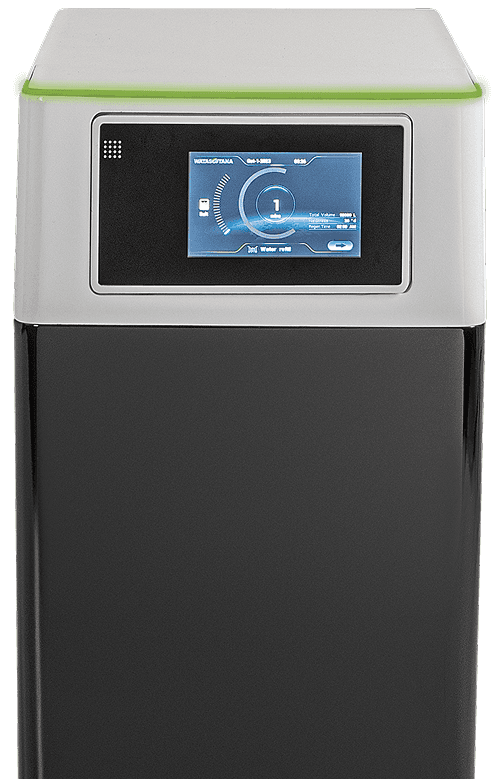
The Notric water softener removes the calcium and magnesium from your water before it reaches your shower, bath, and sinks. Every tap in your home delivers soft water — gentler on your skin, better for your hair, and kinder to anyone with sensitivity or dryness. The system fits discreetly under your kitchen sink, runs automatically, and requires nothing more than a simple salt top-up every few weeks. It’s installed in around two hours by a certified local dealer and protected by a 12-year warranty. Your skin will feel the difference. Your hair will show it. And you’ll wonder why you waited so long.
Frequently Asked Questions

Find a Notric Dealer Near You
Notric is installed by certified professionals across the UK. Enter your postcode to find your nearest dealer and book a free consultation.