Why Is There Calcium in My Water?
Calcium is what makes your water hard. Understanding it is the first step to solving the limescale, dry skin, and appliance damage it causes.
Why Is There Calcium in My Water?
In the UK, a large proportion of our drinking water comes from underground sources called aquifers. Rainwater — which is naturally soft — seeps through layers of soil and rock before collecting in these underground reservoirs. In areas where that rock is chalk or limestone, the water dissolves and absorbs calcium along the way. By the time this water is pumped out, treated by your water supplier, and delivered to your taps, it carries significant concentrations of dissolved calcium. The amount depends entirely on the geology of your area. South East England, East Anglia, and much of the Midlands sit on calcium-rich rock formations, which is why these regions have some of the hardest water in the country. Calcium in your water isn’t harmful to drink. It actually contributes a small amount to your daily mineral intake. But the impact it has on your home — your pipes, your appliances, your surfaces, and your skin — is where the problems start.
What Calcium Does to Your Home
As long as calcium stays dissolved in cold, flowing water, it’s invisible. The problems begin the moment that water is heated or left to sit. When water temperature rises above 61°C, or when water evaporates from a surface, dissolved calcium comes out of solution and forms calcium carbonate — the hard, white deposit we call limescale. That’s why you see buildup around taps, inside kettles, on shower doors, and in the bottom of your hot water cylinder. These are the visible signs. But the most expensive damage happens where you can’t see it. Inside your boiler, calcium deposits coat the heat exchanger — creating an insulating layer that forces the system to burn more energy to heat the same amount of water. Inside your washing machine, calcium coats the heating element and drum, reducing performance and accelerating wear. Inside your pipes, deposits accumulate year after year, gradually narrowing the bore and restricting water flow. The process is slow enough that most people don’t notice it happening. They notice when the boiler breaks down, when the water pressure drops, when the washing machine gives up early. But by then, years of calcium buildup have already taken their toll.
Calcium vs. Magnesium: What’s the Difference?
Both calcium and magnesium contribute to water hardness, and both are present in most UK hard water supplies. Calcium is typically the dominant mineral and is responsible for the visible white limescale you see on taps, tiles, and in your kettle. Magnesium tends to produce a harder, more stubborn form of scale that’s more difficult to remove with household cleaners. It’s less visible but equally damaging to your appliances and plumbing. The good news is that a water softener removes both. Ion exchange technology doesn’t distinguish between the two — it captures and replaces both calcium and magnesium ions, regardless of which mineral is more prevalent in your area.
What Is a Water Softener?
How to Remove Calcium from Your Water
There are temporary fixes and there is a permanent solution. They are not the same thing. Boiling water causes some calcium to precipitate out as limescale, which is why your kettle scales up. But boiling your water supply before use isn’t practical and doesn’t address the rest of your home. Vinegar and descaling products can dissolve calcium deposits after they’ve formed on surfaces and inside appliances, but they can’t stop new deposits from forming every time the water runs. Filter jugs reduce some minerals from drinking water, but they don’t treat the water flowing through your boiler, washing machine, or shower. The only way to permanently remove calcium from your water is to treat it at the point of entry — before it reaches any tap, appliance, or pipe in your home. That’s what a water softener does.
How Notric Removes Calcium at the Source
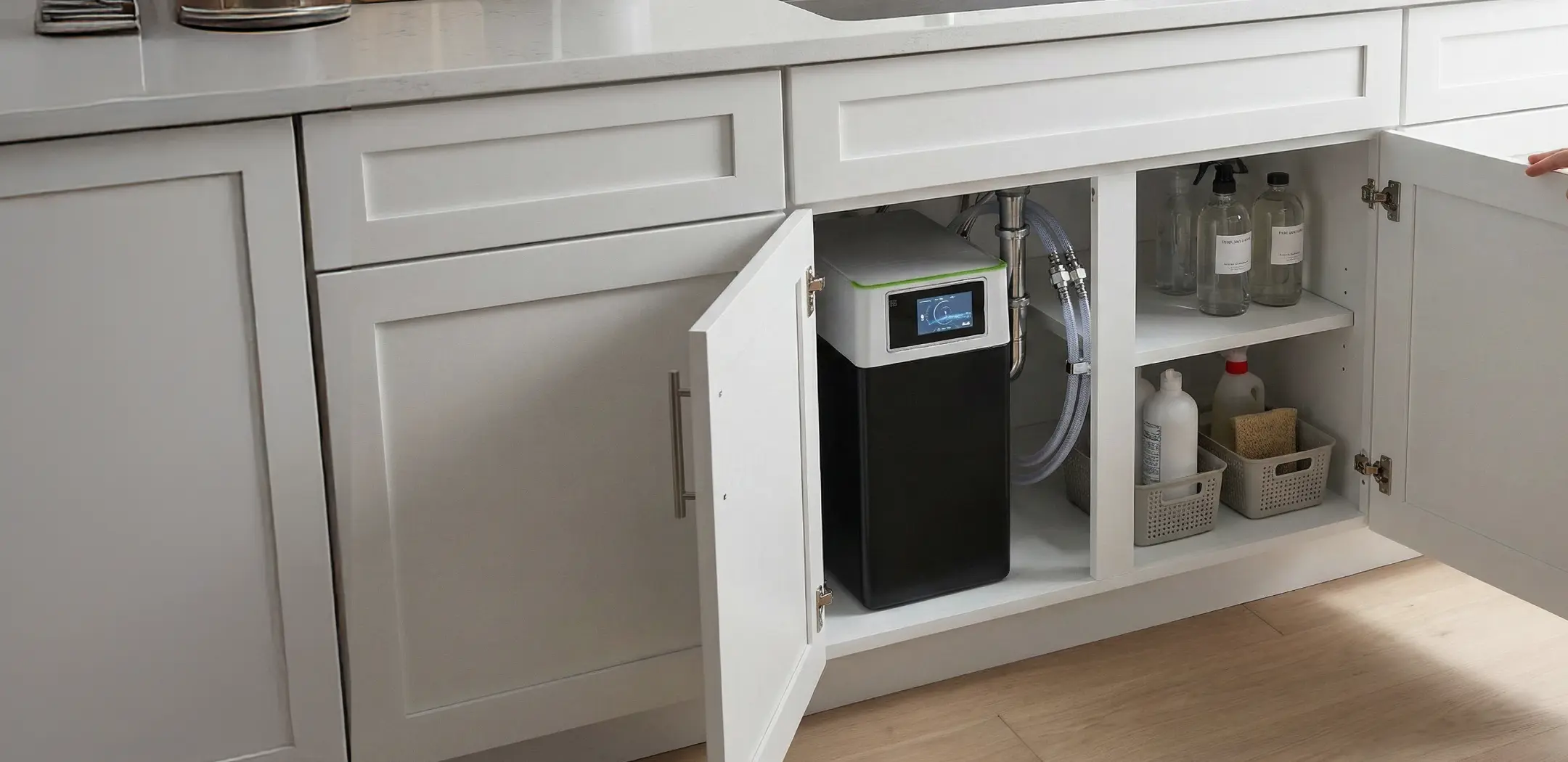
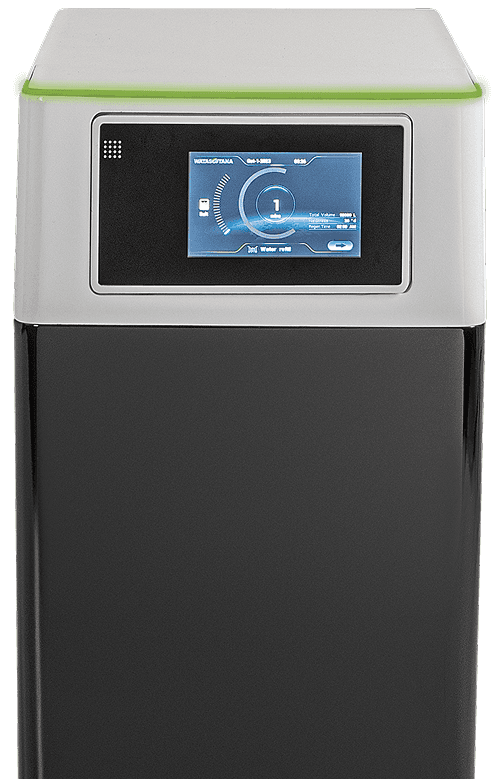
The Notric water softener uses ion exchange to capture the calcium and magnesium ions in your water and replace them with sodium ions. The process happens automatically, continuously, and at the mains entry point — so every drop of water that enters your home is soft. No calcium means no limescale. Your pipes stay clear. Your boiler runs efficiently. Your appliances last longer. Your taps stay clean. And the dissolved minerals that have been quietly damaging your home for years are gone. Notric is designed to fit under your kitchen sink, features a touchscreen display and laser salt detection, includes a 48-hour backup battery, and is backed by a 12-year warranty. Installation takes around two hours by a certified local dealer. Stop managing the symptoms. Remove the cause.
Frequently Asked Questions

Find a Notric Dealer Near You
Notric is installed by certified professionals across the UK. Enter your postcode to find your nearest dealer and book a free consultation.